
It’s Not What You Think
If you’ve never been around wrestling, the idea of dropping your kid off at their first practice can feel like a leap. You might picture two kids going full speed on a mat, a coach barking orders, somebody getting pinned. It’s reasonable to feel unsure about what your child is walking into.
Here’s the truth: a good youth wrestling practice looks nothing like that. Especially for beginners and younger kids, the first practice is low-key, structured, and built around learning how to move — not how to compete. Your kid isn’t going to get thrown. They’re going to learn how to stand, how to move their feet, and how to control their body. That’s it.
If you’re a parent who didn’t grow up in wrestling, this post is for you. Here’s what actually happens.
What a Typical Youth Practice Looks Like
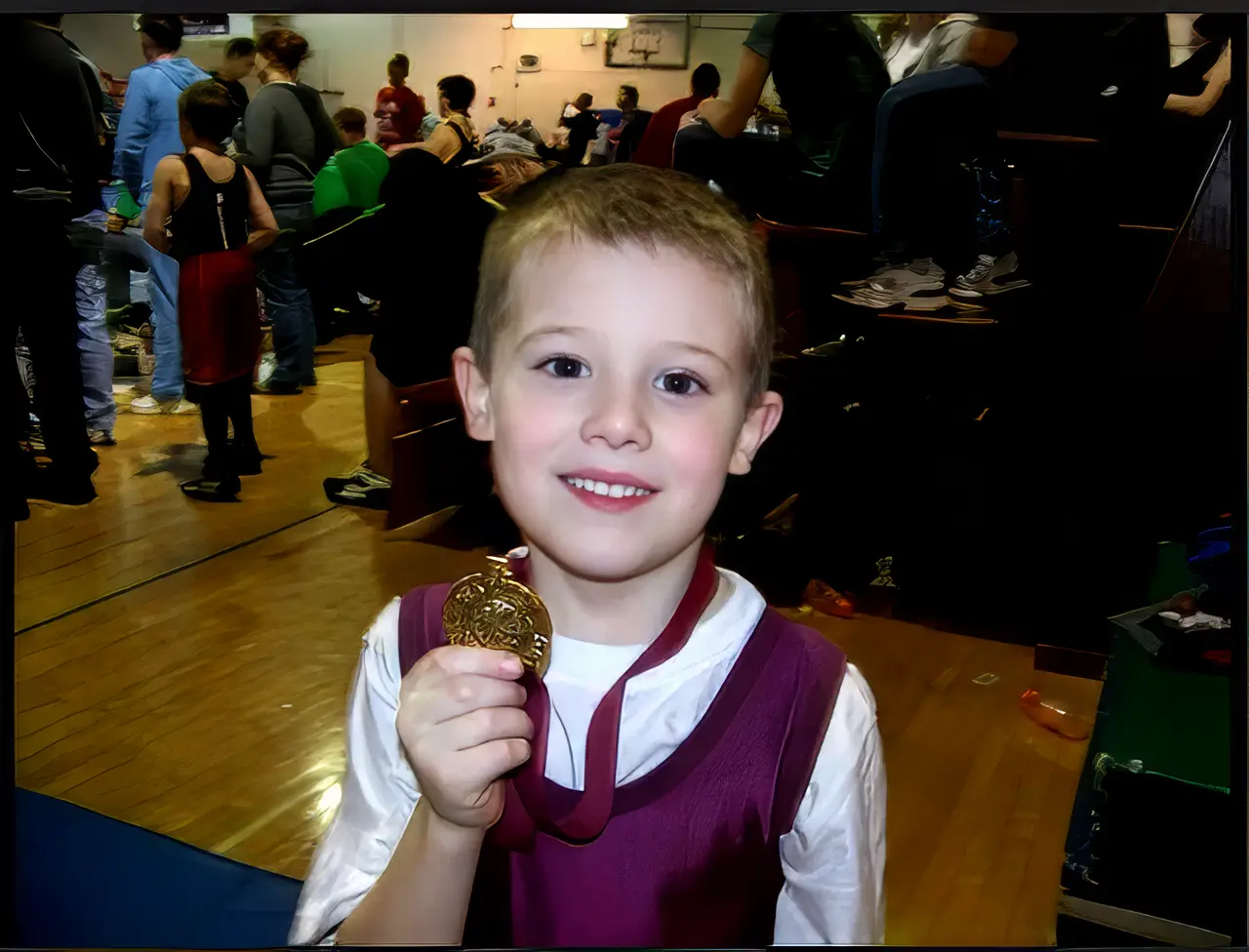
Youth wrestling practice at the K–5 level usually runs about an hour. Here’s the general flow:
The first 10–15 minutes are warm-ups. Jogging, stretching, tumbling, bear crawls, crab walks — movement-based exercises that build coordination and get kids loose. It looks more like gym class than anything intense.
Next comes technique instruction. The coach demonstrates a position or movement — maybe a basic stance, a sprawl, or how to change levels — and the kids try it. At this age, repetition matters more than perfection. Coaches break things down into small steps and keep it simple.
After that, kids pair up for partner drills. One kid practices the move while the other one cooperates. There’s no resistance at this stage. It’s just repetition — building muscle memory in a controlled setting.
Practice usually finishes with a game or conditioning activity. Something competitive enough to keep the energy up, but not a wrestling match. Think relay races, king of the mat (staying in a circle), or other games that reinforce balance and body awareness without anyone feeling like they lost.
That’s it. An hour of structured movement, learning, and some fun. A good youth practice should feel structured, clear, and under control — not chaotic.
What to Bring
Keep it simple. Your kid doesn’t need much for the first day:
Shorts and a t-shirt. Athletic clothes that are comfortable and don’t have zippers, buttons, or pockets that could scratch someone. No jeans, no hoodies with drawstrings.
Wrestling shoes if you have them. If you don’t, clean socks work fine for the first practice. Don’t buy shoes until you know your kid wants to stick with it. Most programs will tell you when it’s time to get a pair.
A water bottle. Practice rooms get warm, and kids need water breaks.
That’s the whole list. Headgear is important once contact drills start, but many clubs don’t require it on day one for beginners, and your coach will let you know when it’s needed.
One thing to know: hygiene matters in wrestling. Make sure your kid showers after practice, and keep their fingernails trimmed short. This is standard in every wrestling room and coaches will mention it.
What Your Kid Will (and Won’t) Do on Day One
Your kid will learn a few basic positions. They’ll practice moving on the mat. They’ll pair up with another kid and try a drill or two. They’ll probably play a game at the end. That’s a successful first day.
What they won’t do: compete in a live match, get thrown, or be expected to know anything. Nobody walks in on the first day knowing what they’re doing. The coaches know that, the other kids know that, and your child will figure that out quickly.
Some kids jump right in. Some hang back and watch for the first few minutes before joining. Both are fine. A good coach reads the room and meets kids where they are — not where the coach wishes they were.
It’s also normal for a kid to feel a little overwhelmed or tired. Wrestling uses muscles and movements that most kids have never used before. If your child is worn out after the first practice, that’s a sign they actually worked, not a sign that something went wrong.
How to Tell If It Went Well
Don’t ask your kid if they were the best. Don’t ask if they won anything. After the first practice, there’s really only one question that matters: do they want to go back?
If the answer is yes — or even a hesitant “maybe” — that’s a win. Wrestling isn’t a sport where kids fall in love in the first five minutes. It takes a few practices to get comfortable, start recognizing the drills, and feel like they belong in the room.
Give it three or four sessions before deciding if it’s the right fit. Most kids who stick around past the first week find something in wrestling that clicks — whether it’s the physical challenge, the structure, or just the feeling of learning something hard and getting better at it.
If you’re still deciding whether your child is the right age to start, we wrote a separate guide on what age kids should start wrestling that covers that question directly.
What Shamrock Does for New Wrestlers
Shamrock Wrestling Club runs out of Somerset, MA and serves families from Somerset, Fall River, and nearby communities across southeastern Massachusetts and Rhode Island.
The youth program covers grades K–5, with practices on Monday and Thursday from 5:30 to 6:30 PM and a Saturday session from 10:00 AM to 12:00 PM. Middle and high school athletes train Monday and Thursday from 6:30 to 8:00 PM, plus Saturdays.
For kids who are brand new, Shamrock offers free youth sessions — no pressure, no commitment — just show up and try it. That’s the easiest way to see what practice looks like without any pressure.
If your kid decides to keep going, it’s $100 per month for unlimited sessions. No contracts, no hidden fees. Drop-ins are $25.
All sessions are coached by experienced wrestlers, including Division I athletes and Massachusetts state champions. The coaching approach for beginners is simple: teach the fundamentals, keep it fun, and build confidence before competition.
Want to See What a First Practice Looks Like?
Bring your kid to a free session. No pressure. Let them step on the mat, try the drills, and see how they feel about it.
If it’s a good fit, you can register online and get started.