
A quick note on the photos: some images in this article are AI-generated and marked “AI Generated” in the corner. We use them to illustrate what we’re describing — so if something in a picture looks slightly off, that’s why. Everything we say about our program, coaches, and schedule is real.
Parents around here ask us a version of the same question all the time: my kid is in third grade and likes wrestling, so what does the next ten years actually look like? Where does he wrestle in middle school? Is there a team at the high school? Does any of this connect, or are we just filling Saturdays?
It’s a fair question, and most youth sports websites answer it with nothing. So here’s the honest map of how wrestling works for kids in Somerset, Fall River, and the towns around them — where the school programs are, where the gaps are, and what a club is actually for.
Elementary school: there is no school team, and that’s normal
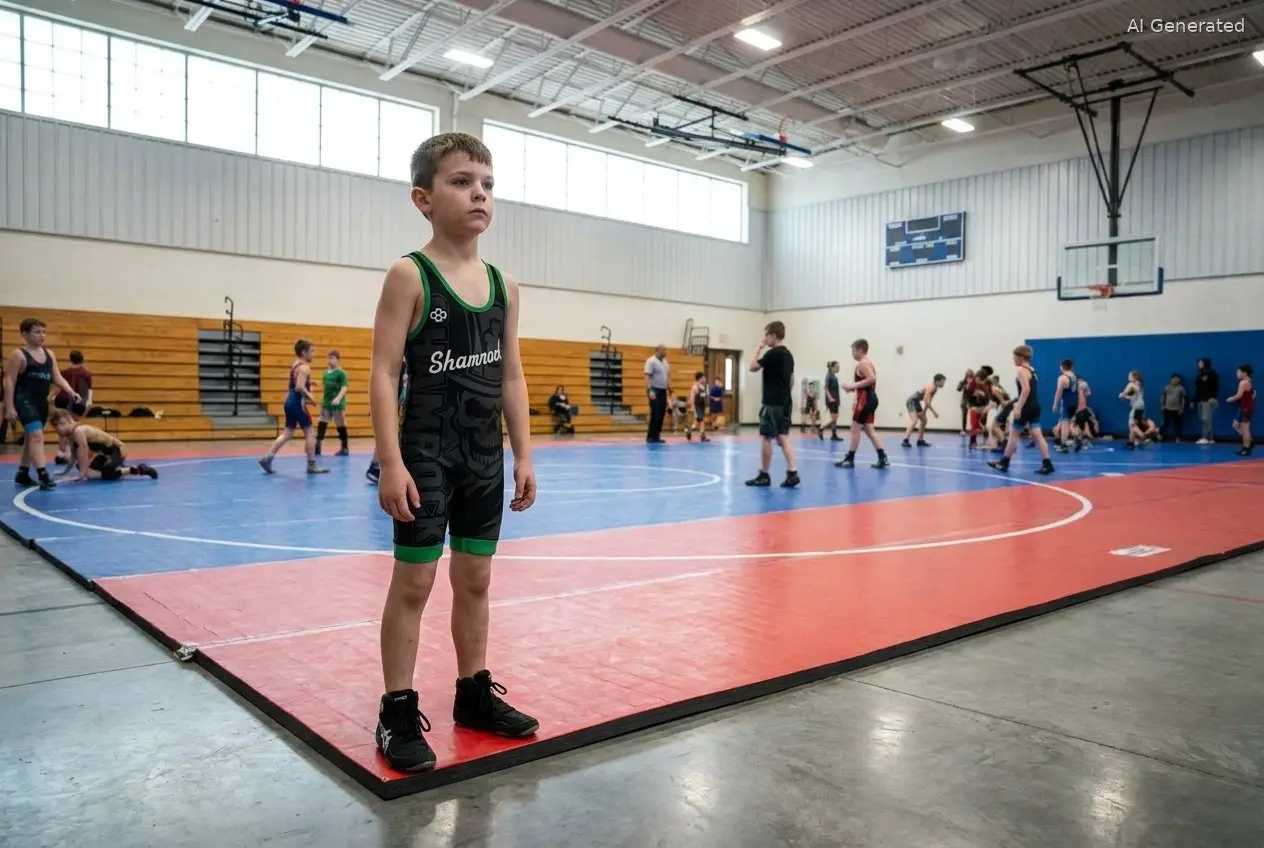
No elementary school in this area has a wrestling team. Not in Somerset, not in Fall River, not anywhere in southeastern Massachusetts. If a kindergartener through fifth grader is wrestling, it’s because a club put him on a mat.
That’s the whole reason youth clubs exist. Our K–5 group runs Monday and Thursday from 5:30 to 6:30 PM at 120 Slades Ferry Ave in Somerset, plus Saturdays from 10:00 AM to noon. At that age the work is simple and repetitive on purpose: stance, motion, level change, how to fall, how to get up. Nobody is peaking in fourth grade.
What matters at this stage is mat time and staying in the sport. Kids who wrestle two or three years before middle school walk into their first real season already knowing how to move. Kids who start in seventh grade spend that first year learning things their teammates learned at eight. If you’re weighing whether to start now, we wrote a longer answer in What Age Should Kids Start Wrestling?
Middle school: the years most families get wrong
Middle school is where the path gets murky around here, and it varies district to district. Some schools in the region field a middle school team. Some allow seventh and eighth graders to practice or compete with the high school program. Plenty of kids have no school option at all until ninth grade. Call your school’s athletic director and ask directly — don’t assume, because the answer changes from town to town and sometimes from year to year.
This is the stretch where kids quietly fall behind. Sixth grade is when other sports start demanding year-round commitment, when kids start deciding what they’re “good at,” and when a family with no school team to plug into just drifts away from wrestling entirely. Then ninth grade arrives and the kid who wrestled in third grade is starting over.
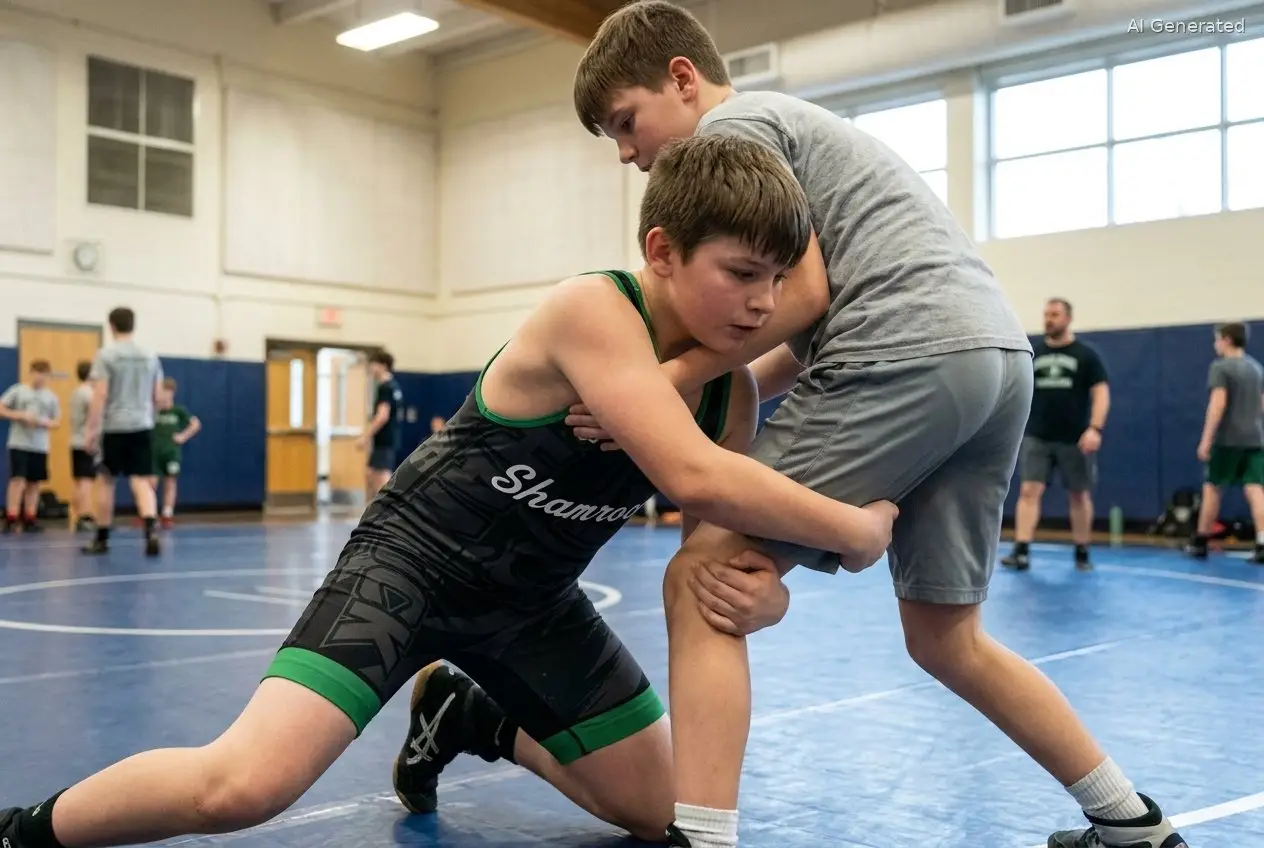
Our Middle & High School group trains Monday and Thursday, 6:30 to 8:00 PM, with the same Saturday session. Grades 6 through 12 are on the mat together, which means a seventh grader is drilling next to kids who have already wrestled varsity. That’s not a scheduling accident. It’s the fastest way we know to bring a middle schooler up to speed.
High school: where the local programs are
This is the part parents actually want to know. Both of the big local public high schools run wrestling programs under the MIAA.
- B.M.C. Durfee High School (Fall River) — a long-running program with real history behind it. Our head coach came out of Durfee wrestling and left for a full Division I scholarship. We wrote that story up on our Durfee Wrestling page.
- Somerset Berkley Regional High School — the Raiders wrestle in the MIAA and have sent wrestlers to sectionals, states, and New Englands in recent years.
- Other area schools — several surrounding districts and vocational and parochial schools in the Fall River, Swansea, Westport, and East Bay Rhode Island area have wrestling in some form, and some co-op with neighboring schools. Programs get added and dropped, so check the current MIAA or RIIL listing for the specific school before you plan around it.
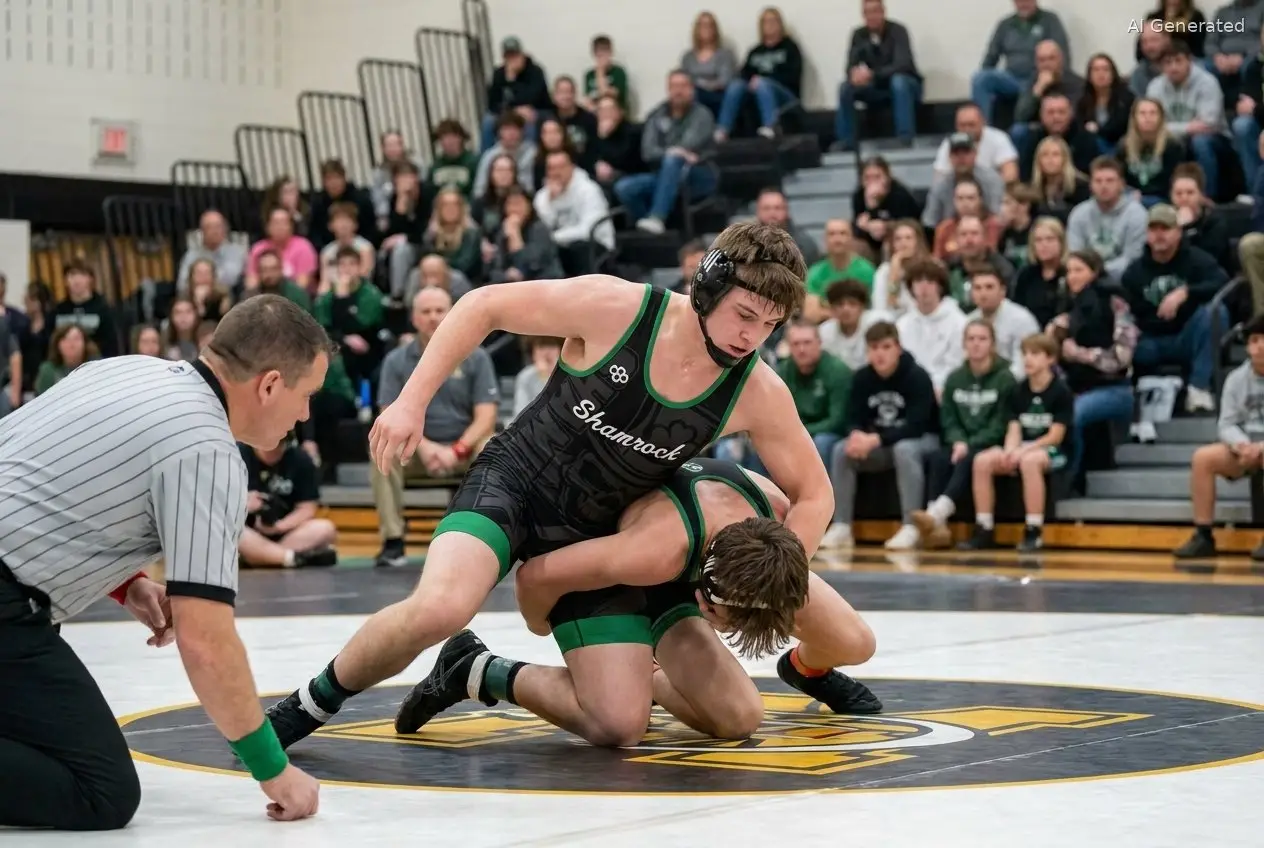
A high school season is short. It runs roughly December through February, and a varsity spot is decided in the first few weeks by wrestle-offs. Coaches don’t have three months to develop a kid from scratch. They’re picking from who already knows how to wrestle.
Where a club fits into all of it
A club isn’t a replacement for a school team and it isn’t in competition with one. School wrestling gives a kid a season, a lineup, and a varsity letter. A club gives him the other nine months.
That’s the entire difference between a kid who makes varsity as a sophomore and one who’s still learning stance as a junior. The wrestler who trains in April and August isn’t more talented. He’s had more mat time. We broke that down further in Why Off-Season Wrestling Training Is the Difference Maker.
The other thing a club does is keep the sport available when the school system doesn’t. A fourth grader in Somerset has no school team. A sixth grader in Fall River might not either. We’re the bridge across those years, and that’s a big part of why our youth program exists in the first place.
What this looks like year by year
- Grades K–2: Learn to move, learn to compete, have fun. Tournaments optional.
- Grades 3–5: Real technique, first local tournaments, building a habit of showing up.
- Grades 6–8: Train with older wrestlers, compete regularly, get strong enough to handle a full season.
- Grades 9–12: School season December through February, club training the rest of the year to keep improving instead of resetting.
Nobody follows that perfectly. Kids join in sixth grade and do fine. Kids take a year off for baseball and come back. The point isn’t a rigid ladder — it’s that there’s a path here, and most families don’t know it exists until someone lays it out.
What it costs to be on that path
We keep it simple: $100 a month for unlimited sessions, or $25 for a drop-in if you want to try a night before committing. That’s every practice we run, at every level, for one price. Full details are on our programs and pricing page.
We’re at 120 Slades Ferry Ave in Somerset, a few minutes from Fall River and a short drive from Swansea, Westport, Dighton, and the East Bay towns in Rhode Island. Plenty of our families cross the bridge to get here.
Start where your kid is right now
You don’t need to have the next ten years figured out. You need to know that the path exists and that there’s somewhere local to get on it.
Come watch a practice on a Monday or Thursday, or bring your kid in for a $25 drop-in and see how the room feels before you commit to anything. When you’re ready, register here and we’ll see you on the mat Monday.